Arrowhead Stadium for FIFA World Cup 2026: Kansas City's Cauldron of Sound
Arrowhead Stadium hosts FIFA 2026 in Kansas City. Inside guide to seats, transit, BBQ culture, fan atmosphere and matchday tips for World Cup fans.

Investigado y editado por Abdullah Mashuk. Redactado con investigación asistida por IA según nuestra Metodología.
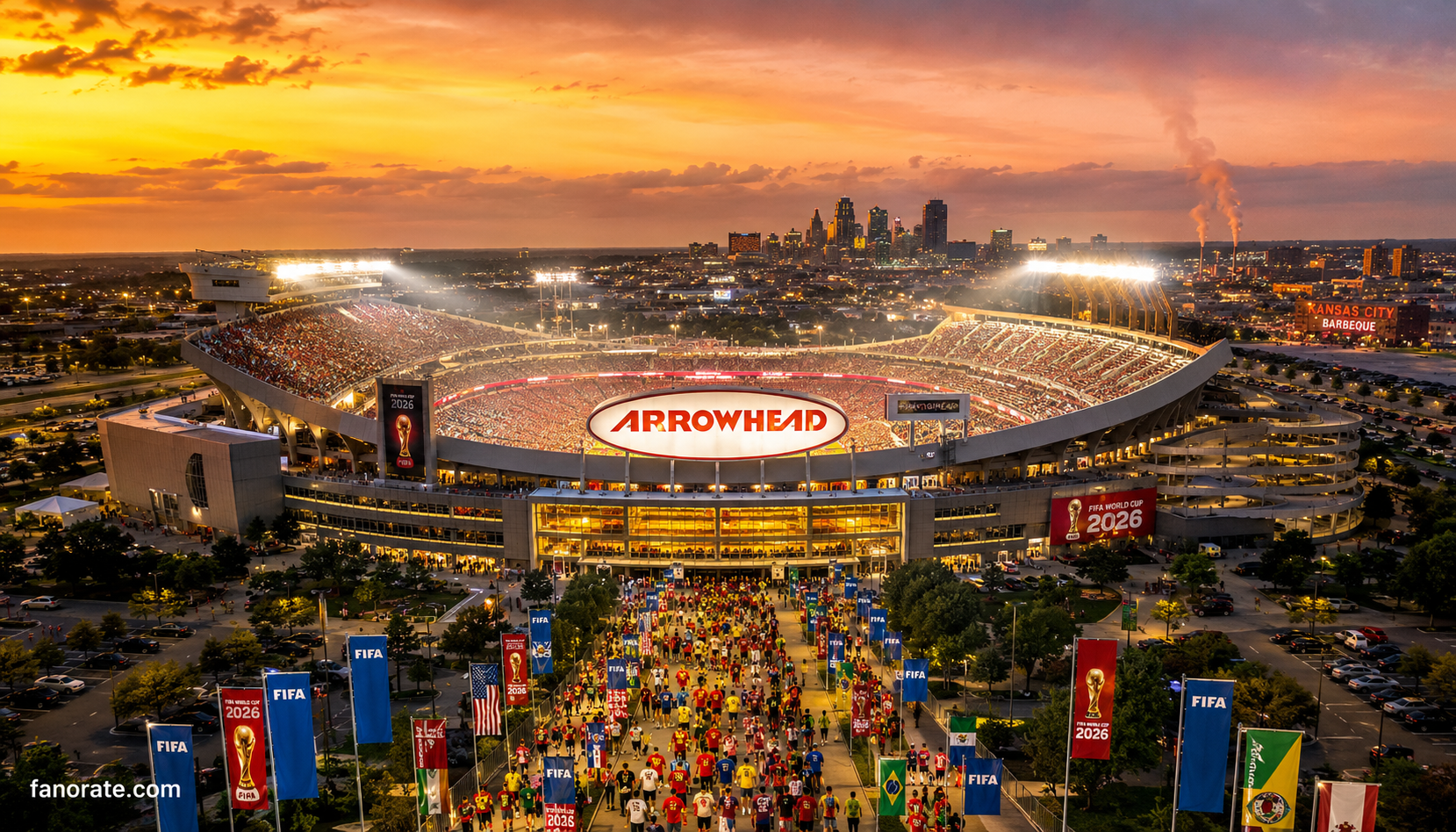
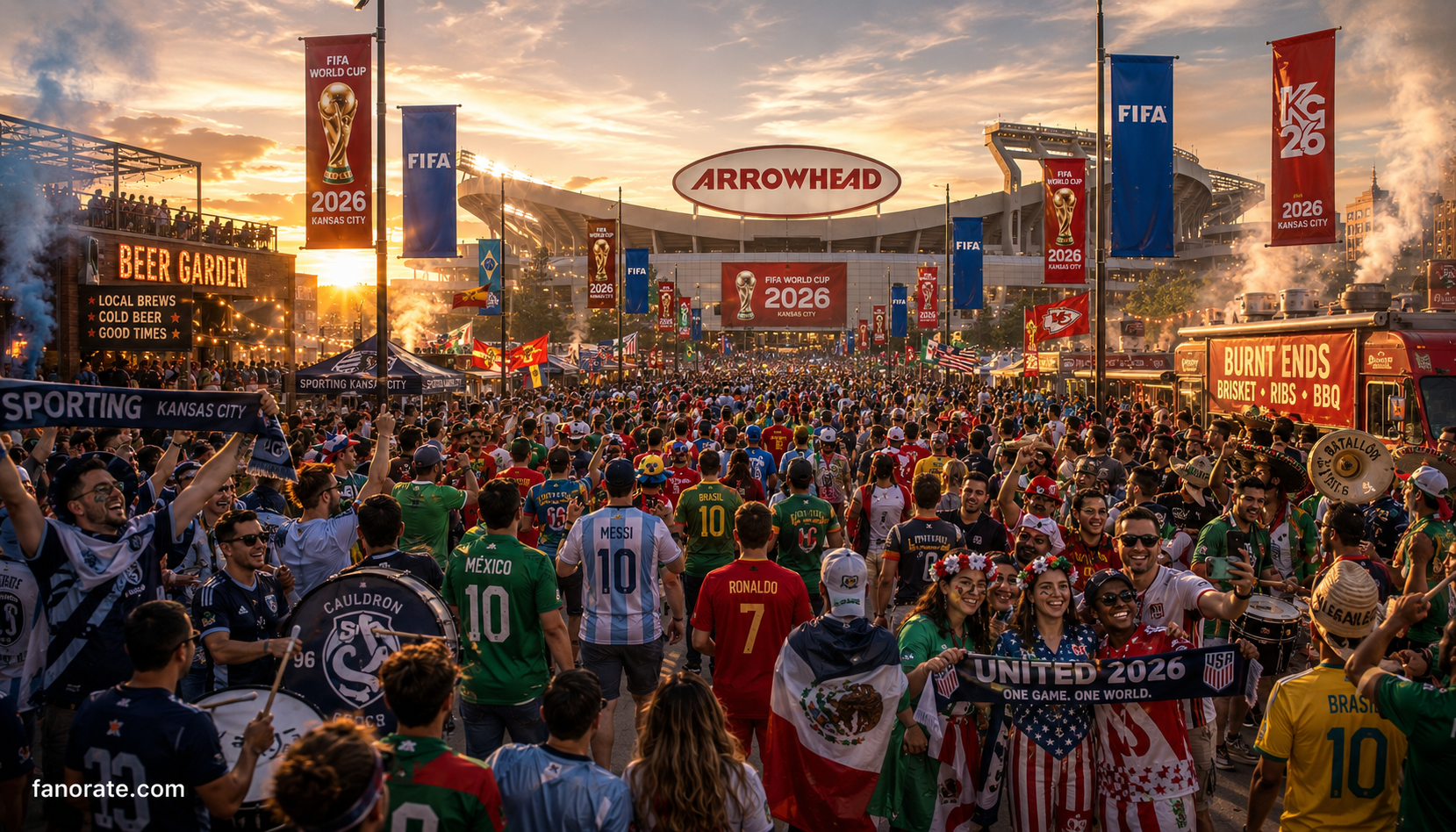
Ilustración generada por IA. No es una fotografía real.
Arrowhead Stadium for FIFA World Cup 2026: Kansas City’s Cauldron of Sound
There’s a sound that comes out of Arrowhead Stadium when it’s full.
It’s not a roar exactly. It’s a wave that rolls down from the upper deck, builds across the lower seats, hits the field and bounces back up into a single sustained note that has, on at least one well-documented occasion, set the Guinness World Record for crowd noise at an outdoor sports event. Players have described it as a physical force. Visiting coaches have asked for snap counts to be hand-signaled. The stadium has its own folklore.
In the summer of 2026, that sound is going to belong to a 48-team World Cup. Kansas City’s Arrowhead Stadium — formally GEHA Field at Arrowhead — will host six matches of the FIFA tournament. The American Midwest’s most underrated football audience is about to make global broadcasters explain what’s happening in the upper deck.
Here’s the full guide.
Quick Venue Snapshot
- Stadium: GEHA Field at Arrowhead Stadium
- City / Region: Kansas City, Missouri
- Country: United States
- Capacity: Approximately 76,000
- Opened: 1972
- Primary tenant: NFL’s Kansas City Chiefs
- FIFA 2026 matches hosted: Six matches, including group-stage games and a knockout-round fixture
- Location: Truman Sports Complex, alongside Kauffman Stadium (Kansas City Royals)
- Surface for FIFA 2026: Natural grass installed for the tournament
- Roof: Open-air, no covering
- Climate considerations: Hot, humid Midwestern summer. Severe thunderstorms possible. Hot Midwest temperatures and direct sun in the bowl.
- Transit: Limited public transit options. Matchday shuttles from designated lots. Most fans arrive by car.
The Story of the Stadium
Arrowhead Stadium opened in 1972 as part of an ambitious two-stadium project that produced both the Chiefs’ new home and the adjacent Kauffman Stadium for the Kansas City Royals. The Truman Sports Complex, named for the local president, was an early American example of intentionally clustering two major-league teams in the same parking footprint. It worked.
Architecturally, Arrowhead was built with the symmetrical concrete-bowl logic of its era — but with a steeper seating pitch than most contemporaries, which gave it acoustic properties that would, decades later, make it famous. Major renovations in the 2000s modernized concourses, expanded premium seating, upgraded video boards and rebuilt the surrounding plaza experience. The naming rights deal with GEHA in the 2020s added a formal sponsor name to the building’s well-known nickname.
Since opening, Arrowhead has hosted the Kansas City Chiefs through every era of their franchise — including their resurgent dynasty under Patrick Mahomes in the 2020s. It has hosted concerts, college football, soccer friendlies and major civic events. The crowd-noise record was set during a regular-season NFL game in 2014 and remains one of the venue’s most-cited bragging rights.
For FIFA 2026, the building takes on its largest international football assignment to date. Six matches will introduce the Arrowhead atmosphere to a global audience.
What Makes Arrowhead Unique
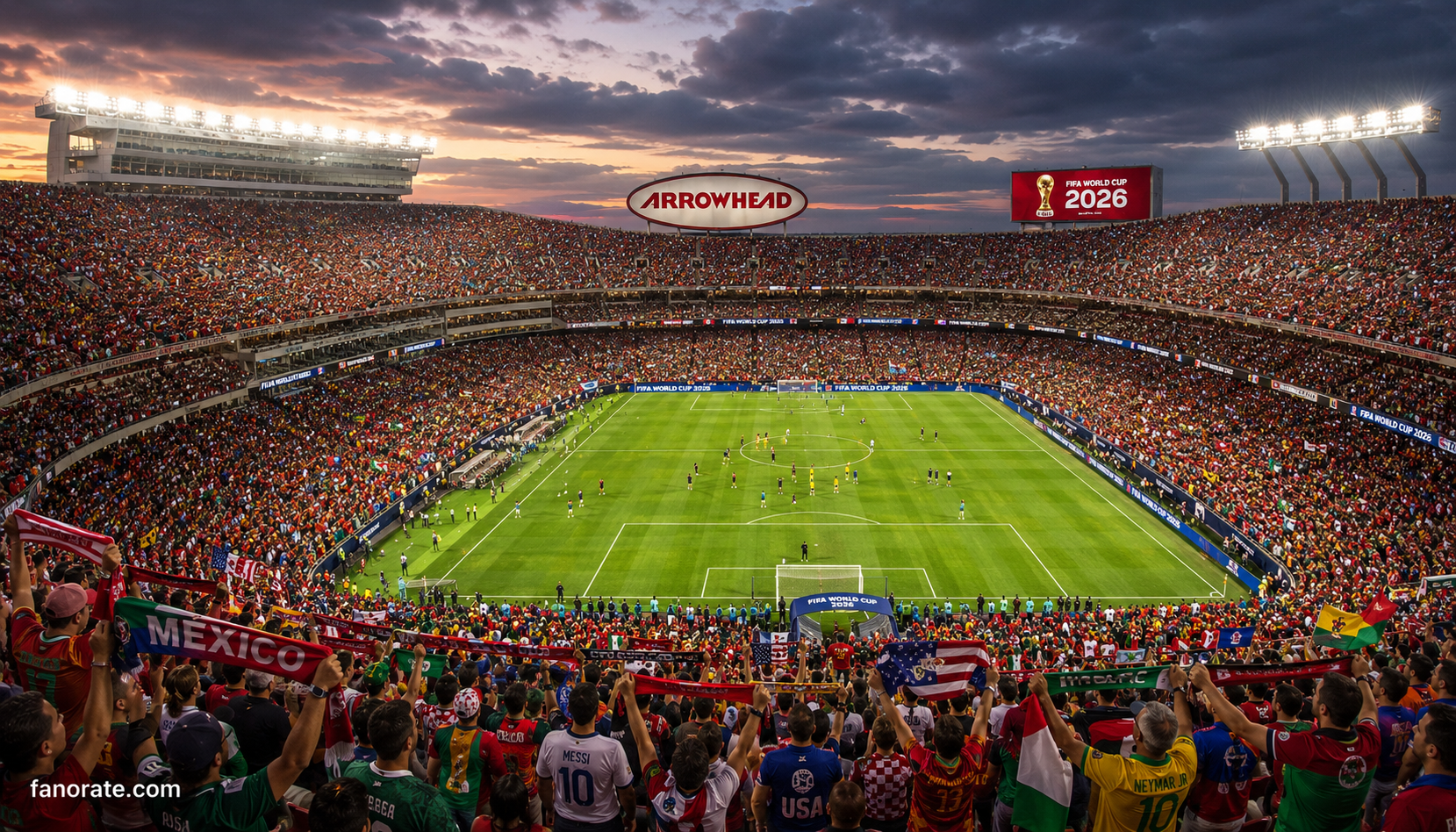
The sound.
The bowl’s steep seating geometry, the concrete reflective surfaces and the wraparound design produce one of the most acoustically intense crowd environments in any open-air stadium in the world. When 76,000 Kansas City fans coordinate volume, the result is a sustained noise wave that does not behave like a normal stadium roar. It pulses. It compresses. It pushes back at the field.
Other distinctive features:
- The arrowhead-shaped main entrance and concourse architecture, which has become an iconic photographic landmark.
- The Truman Sports Complex layout, which allows pre-match tailgating across one of the largest open-lot parking expanses in the league.
- The Hall of Honor inside the stadium, dedicated to Chiefs franchise history.
- Wide concourses and modernized fan amenities from the 2000s renovations.
- The shared parking complex with Kauffman Stadium (Royals), which produces unusual double-event days when the schedules align.
The building isn’t visually flashy. It is acoustically and culturally iconic.
Why FIFA Picked Kansas City
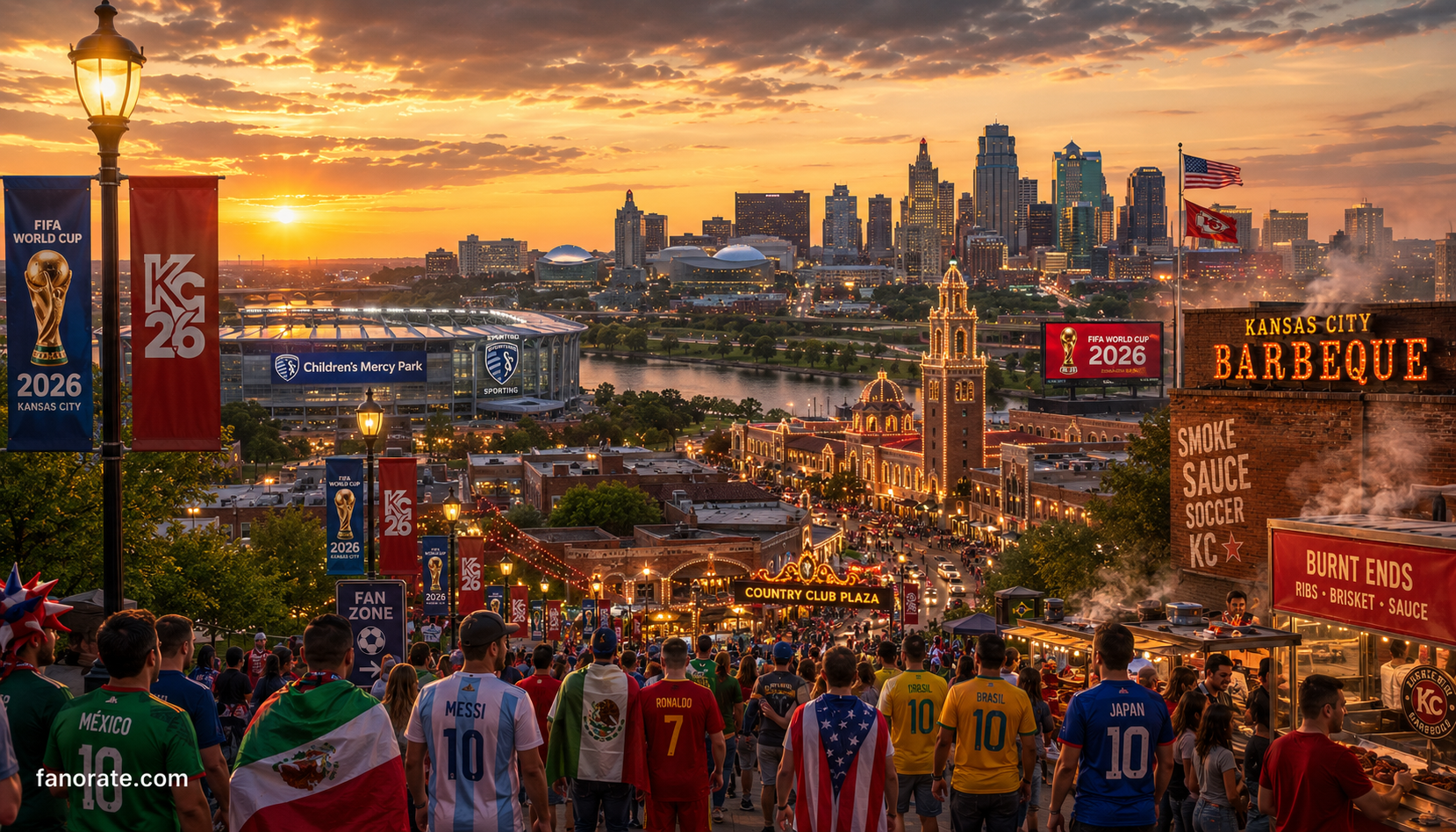
Three reasons.
First, the central geography. Kansas City sits near the geographic center of the United States, which makes it efficient for domestic fans traveling from both coasts. It also functions as a Midwest gathering point for fans from surrounding states.
Second, the capacity. At 76,000, Arrowhead is among the larger venues in the 2026 host roster.
Third, the football culture. Kansas City has been quietly building one of the most authentic football scenes in the American Midwest. Sporting Kansas City has been one of MLS’s most successful franchises, with a deeply loyal supporter culture led by the Cauldron supporter group. The Kansas City Current has built the most pioneering women’s football operation in U.S. history, including a purpose-built NWSL stadium that opened in 2024 — the first in the world built specifically for a women’s professional team. Mexican-American, Vietnamese, Ethiopian, Somali and Bosnian populations across the metro have produced multiple supporter clubs and youth football pipelines.
The six-match assignment will give Arrowhead a substantial role in the tournament. Expect Kansas City matches to be loud, well-organized and culturally distinctive.
Iconic Matches and Historic Moments
In American football terms, Arrowhead has hosted some of the most famous moments in Chiefs franchise history — including AFC Championship Games, playoff classics and the runs leading to multiple Super Bowl appearances of the Mahomes era. The 2014 Monday Night Football game against the New England Patriots produced the Guinness World Record crowd-noise reading.
In football specifically:
- Multiple USMNT matches.
- International friendlies featuring Mexico, European clubs and South American sides.
- Concacaf Gold Cup fixtures.
- Major high-school and college soccer tournaments hosted at the venue or nearby Truman Complex facilities.
The 2026 World Cup matches will be the venue’s most significant international football moments to date.
Football Culture in Kansas City
Kansas City is the most underrated football town in the American Midwest, and possibly in the entire country.
Sporting Kansas City has been an MLS franchise since the league’s founding and has built a deeply organized supporter culture. The Cauldron supporter section at Children’s Mercy Park (Sporting’s home stadium across the state line in Kansas) has been a national model for sustained vocal support.
The Kansas City Current’s purpose-built stadium for the NWSL — opened in 2024 — was a landmark for global women’s football. It was the first stadium ever built specifically for a women’s professional team. The investment turned the Kansas City metro into one of the most important women’s football cities in the world.
Beyond the professional clubs, the Mexican-American football community across the metro has been organizing amateur leagues for generations. Liga MX viewership is strong. Mexico national-team matches in the metro consistently draw capacity crowds. The Vietnamese, Ethiopian, Somali and Bosnian communities have built their own football audiences.
By the time the World Cup arrives, expect Kansas City to be one of the most genuinely football-supportive U.S. host cities — and one of the loudest.
Matchday at Arrowhead: What to Expect
A typical rhythm:
- Morning in downtown Kansas City or the Crossroads Arts District. Coffee, breakfast, exploring the walkable urban districts.
- Travel to the Truman Sports Complex. Most fans drive or rideshare. Allow 20–30 minutes from downtown.
- Tailgating in the parking lots. This is a serious Kansas City tradition. BBQ smokers, RVs, jerseys, full pre-match meals.
- Entry. Clear-bag policy. Security is efficient.
- Inside the bowl. First-time visitors should pay attention to how the sound builds. It’s a different acoustic experience than any other American stadium.
- Concessions. Kansas City BBQ inside a Kansas City stadium is the right move.
- Post-match. Pre-arrange your departure. The parking lot exit can take time after major matches.
Best Seating Guide
- For atmosphere: Lower bowl behind the goals. The most coordinated supporter sections traditionally cluster here.
- For tactical viewing: Mid-tier sideline seats.
- For photography: Upper-deck corners with the iconic arrowhead-shaped concourses visible.
- For families: Mid-bowl seats away from the most vocal sections.
- Budget options: Upper-deck end-zone seats.
- Premium experience: Field-level clubs and indoor lounges.
A specific note: the upper deck at Arrowhead is acoustically extraordinary. The volume up there is sometimes louder than the lower bowl. Don’t avoid it.
Transportation and Access Guide
- From Kansas City International Airport (MCI): Roughly 30 minutes by car. Rideshare or matchday shuttles are typical.
- From Downtown Kansas City: Roughly 15–20 minutes by car.
- Driving and parking: Massive parking lots throughout the Truman Sports Complex. Pre-paid parking is recommended for major matches.
- Rideshare: Designated pickup zones. Surge pricing post-match.
- Public transit: Limited. KCATA bus service runs but is not the most convenient path. Matchday shuttles from designated lots are typical.
- Walking: Not realistic from outside the complex.
- Accessibility: ADA-compliant routes and seating. Coordinate accessibility services with FIFA in advance.
The honest advice for Kansas City: rent a car, or rideshare in and out. Public transit is not the primary path here.
Where Fans Should Stay
- Downtown Kansas City: Hotel inventory hub with walkable access to the Power & Light District, the Crossroads Arts District and the Sprint Center.
- Country Club Plaza: A historic upscale shopping and dining district with hotels.
- Westport: A walkable nightlife district with bars and restaurants.
- Crown Center: Mid-priced hotels near Union Station.
- Independence and Eastern Suburbs: Closer to Arrowhead, with more affordable hotels.
- Overland Park (Kansas side): Affordable hotels in a suburban setting with quick driving access to the stadium.
If you’re staying for multiple matches, Downtown or the Crossroads strike the best balance between city life and stadium access.
Food, Drink and Nightlife
Kansas City is one of the great American food cities, anchored by an iconic BBQ tradition.
- BBQ: Burnt ends, ribs, smoked sausage. Multiple legendary BBQ joints across the metro. KC barbecue is its own regional category.
- Steakhouses: Kansas City has been a major beef city for over a century.
- Mexican food: Strong scene in the Northeast neighborhood and across the metro.
- Vietnamese food: Strong in parts of the metro.
- Ethiopian and Somali food: Strong in specific neighborhoods.
- Bosnian food: A notable scene reflecting the metro’s substantial Bosnian community.
- Beer scene: Strong craft beer culture across the city.
- Coffee: Growing third-wave scene in the Crossroads Arts District and Westport.
Bars and viewing parties: Westport, the Crossroads and downtown all have soccer-specific bars running early-morning international matches.
Things To Do Near the Stadium
- The Nelson-Atkins Museum of Art
- The American Jazz Museum and Negro Leagues Baseball Museum (both in the 18th and Vine District)
- Union Station (historic and beautifully restored)
- The National WWI Museum and Memorial
- Country Club Plaza for shopping and dining
- Westport for nightlife
- The Crossroads Arts District for galleries and bars
- Boulevardia or other summer festivals if timing aligns
- Day trips to the Kansas Speedway or surrounding small towns
Weather and Match Conditions
Midwestern summer climate.
- Temperature: Daily highs commonly 85–95°F (29–35°C). Heat waves above 100°F (38°C) happen.
- Humidity: High. Air feels thick in midsummer.
- Rain: Severe thunderstorms possible, particularly in the afternoon.
- Wind: Variable. Kansas City sits in the broader Midwest weather corridor and can get strong winds during storms.
- Sun exposure: Significant in the bowl during day matches.
Practical kit:
- Reusable water bottle
- Electrolyte plan
- Light, breathable clothing
- High-SPF sunscreen
- Compact rain poncho
- Hat and sunglasses
Interesting and Fun Facts
- Arrowhead Stadium holds the Guinness World Record for the loudest crowd roar at an outdoor sports event, recorded during a 2014 NFL game.
- The Truman Sports Complex was an early American example of intentionally clustering two major-league teams in shared parking infrastructure.
- The Kansas City Chiefs were named after Harold Roe Bartle, a former Kansas City mayor nicknamed “The Chief.”
- The Kansas City Current’s purpose-built NWSL stadium, located across the state line, is the first stadium ever built specifically for a women’s professional team.
- The stadium’s iconic arrowhead-shape main concourse is one of the most photographed exterior architectural features in the NFL.
- Sporting Kansas City has won multiple MLS Cups and is widely respected as one of the most consistently well-run franchises in American club football.
One Thing Most Fans Don’t Know
Kansas City’s Bosnian community is one of the largest in the United States outside the East Coast. After the Bosnian War, thousands of Bosnian refugees resettled in the Kansas City metro through humanitarian programs. Today, that community has produced football players, restaurants, supporter groups and a quiet but significant cultural presence across the city. During the 2026 World Cup, expect Bosnian-affiliated supporter activities, restaurants and viewing parties to be unusually visible across Kansas City.
Photo and Social Media Spots
- Arrowhead Stadium exterior at golden hour with the iconic main entrance visible.
- Inside the bowl during pre-match with the steep seating tiers visible.
- Union Station at night.
- Country Club Plaza fountains and architecture.
- The Nelson-Atkins Museum lawn with the giant Shuttlecocks sculptures.
- 18th and Vine District jazz heritage sites.
Fan Experience and Atmosphere
Kansas City crowds are loud, organized and unusually generous. The Cauldron supporter culture from Sporting KC carries over into broader football fan behavior across the metro. The Chiefs’ game-day rituals — including the controversial Tomahawk Chop, which has been a long-running topic of public debate — set the volume floor for the building. During the World Cup, those rituals will be replaced by international supporter chants, but the acoustic intensity will translate.
For traveling fans, three things stand out: the BBQ generosity in the tailgate lots, the multilingual fan demographics, and the surprisingly knowledgeable football conversations you’ll have with locals who have been watching the World Cup as a family tradition for decades.
Sustainability and Technology
Arrowhead Stadium has implemented incremental sustainability upgrades including LED lighting throughout the venue, recycling programs across concessions and water-efficient field maintenance. The Truman Sports Complex’s adjacent parkland adds environmental buffering.
Technology: high-density Wi-Fi, mobile-app ticketing and concessions, modernized broadcast infrastructure. The 2000s renovations brought the building’s technology systems up to contemporary major-event standards.
Future Legacy
The 2026 World Cup matches will deepen Kansas City’s status as one of the most authentic football cities in the American Midwest. Sporting KC and the Kansas City Current will both benefit from the tournament’s promotional reach. Investment in youth football infrastructure, women’s football facilities and broader soccer-specific venues will continue. The Bosnian, Vietnamese, Ethiopian and Latino communities will produce more visible football culture in the years following.
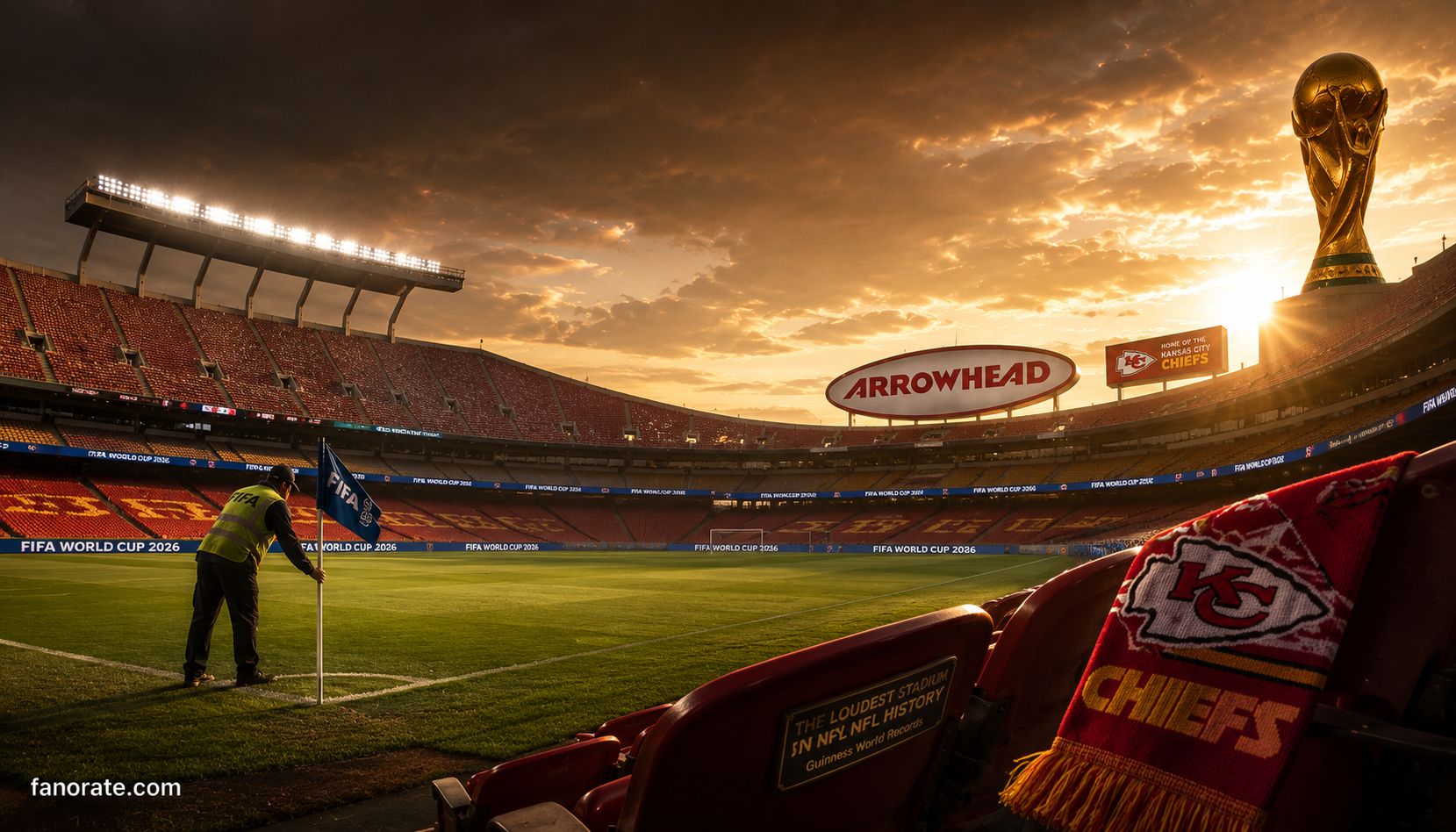
Final Thoughts
Kansas City is a city most international fans don’t expect to be talking about during a World Cup. After 2026, they will be.
If you’re going, rent a car or rideshare. Stay downtown or in the Crossroads. Eat burnt ends. Drink the local beer. Get to the Truman Sports Complex early enough to walk the tailgate lots. Stay through the entire match. Listen to the sound.
Six matches at Arrowhead. Six chances for global broadcasters to explain to viewers in twelve languages why this Midwestern bowl is producing some of the loudest crowd recordings of the entire tournament.
FAQ
How many people does Arrowhead Stadium hold? Approximately 76,000.
Which FIFA 2026 matches will be played at Arrowhead Stadium? Six matches, including group-stage games and a knockout-round fixture.
Is the stadium covered or open-air? Open-air. There is no roof.
How do I get to the stadium from downtown Kansas City? By car or rideshare, roughly 15–20 minutes. Limited public transit options.
What’s the closest airport? Kansas City International (MCI), about 30 minutes by car.
Will the field be grass or turf? Natural grass installed for the tournament.
What weather should fans expect? Hot, humid Midwestern summer. Daily highs commonly 85–95°F. Severe thunderstorms possible.
Why is Arrowhead known for being loud? The bowl’s steep seating geometry, concrete reflective surfaces and wraparound design produce one of the most intense crowd-noise environments in any open-air stadium in the world. It holds the Guinness World Record for outdoor crowd noise.
Where should I stay for matches? Downtown Kansas City or the Crossroads Arts District for the best balance of access and city life.
What is Kansas City’s football culture like? Loyal, organized and well-developed. Sporting KC has one of the most respected supporter cultures in MLS. The Kansas City Current operates the first purpose-built stadium for a women’s professional team.